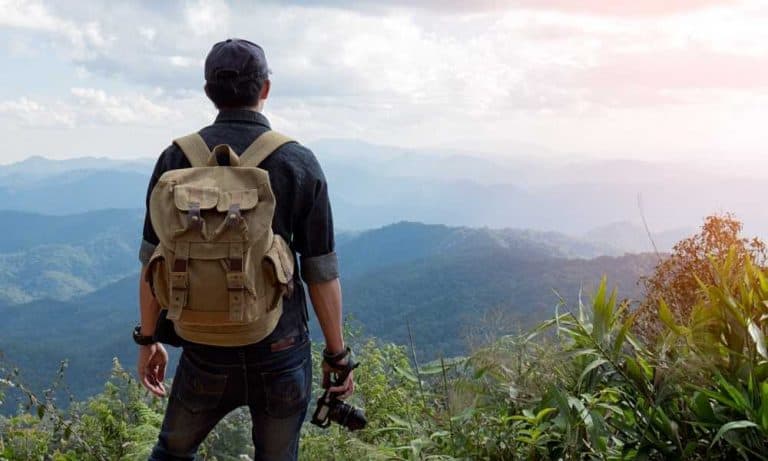

Camera Backpack or Shoulder Bag?
Camera backpack or shoulder bag? Choose a backpack when you need to carry more camera equipment over longer distances; choose a shoulder or messenger bag when you value faster access to a smaller kit. Neither design is automatically the best for every photographer. The right answer depends on how much equipment you carry, how often you change lenses and whether you spend more time walking or actively shooting.
A shoulder bag can be excellent for city photography with one camera and an extra lens. A padded backpack is generally more practical when you also need a laptop, tripod, multiple lenses or personal items. This guide compares the everyday trade-offs so you can pick the carrying style that actually fits your work.
Camera backpack vs shoulder bag: quick comparison
| Camera backpack | Better for distributing a larger load across two shoulders, carrying several lenses and walking between locations; can be slower to access. |
|---|---|
| Shoulder or messenger camera bag | Better for retrieving a small camera kit while standing or moving between shots; loads one side more heavily and offers less room. |
| Sling camera bag | Can offer quick repositioning and flexible access for a modest kit, but load balance and capacity vary by design. |
| Camera insert in a regular bag | Useful for a discreet appearance, but only if the insert provides adequate padded separation and the exterior bag is strong enough for the load. |
When a camera backpack makes more sense
For photographers carrying two camera bodies, several lenses, a laptop or a tripod, a backpack usually offers better organization and more options for distributing the equipment weight. Adjustable padded dividers can create individual compartments, and external mounts can keep a tripod outside the main camera area. With the straps adjusted correctly, the weight can be more balanced than carrying it all from one shoulder.
Backpacks are also useful when photography involves a long walk between shooting locations. The downsides are access and bulk: unless the bag has side or top access, you may need to stop, take it off and open a panel to switch equipment. A bigger pack can also make moving through crowded spaces less convenient.
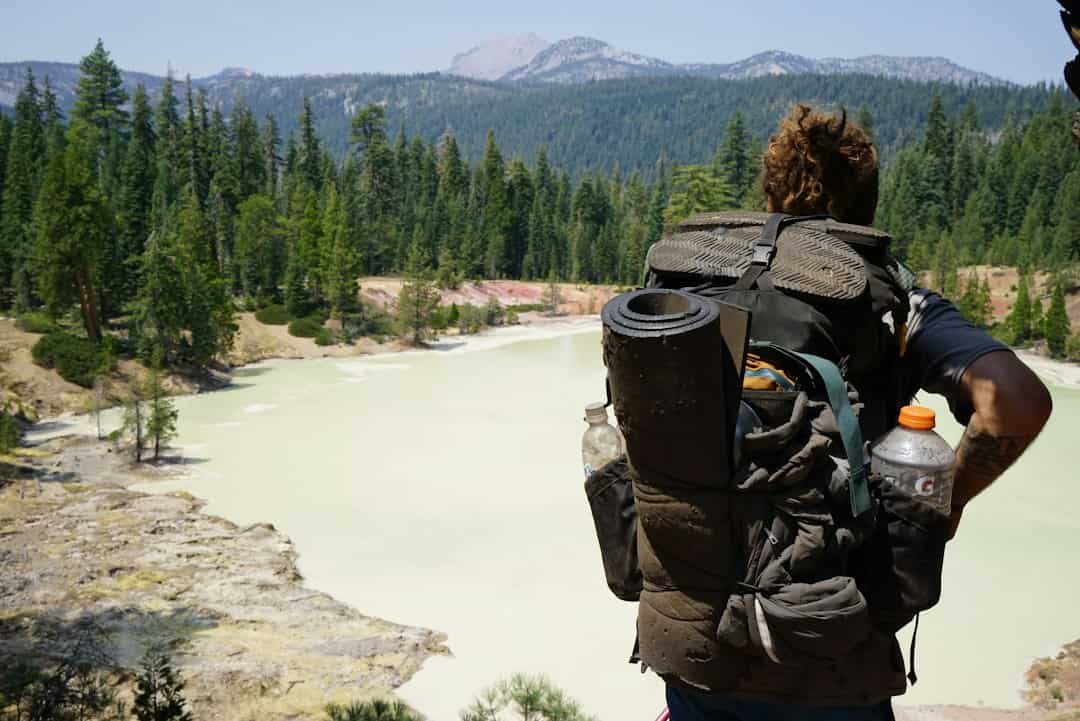
Illustrative backpack-carrying photograph by Emerson Ward via Unsplash. This is not a specialized camera backpack being product-tested.
When a shoulder camera bag makes more sense
A shoulder bag puts equipment closer to your hands. During a short city walk, event or casual portrait session, it can be easier to open a flap, remove a lens and put it back without finding a surface or taking off a backpack. A well-designed camera messenger bag has padded dividers that keep the gear separated, often with small pockets for filters, memory cards and other essentials.
The principal compromise is weight distribution. Even a relatively small camera and zoom lens can feel tiring when carried from one shoulder for an extended period. Capacity can also be deceptive: a shoulder bag may hold a camera and two lenses comfortably but become crowded when a water bottle, laptop or spare jacket is added.
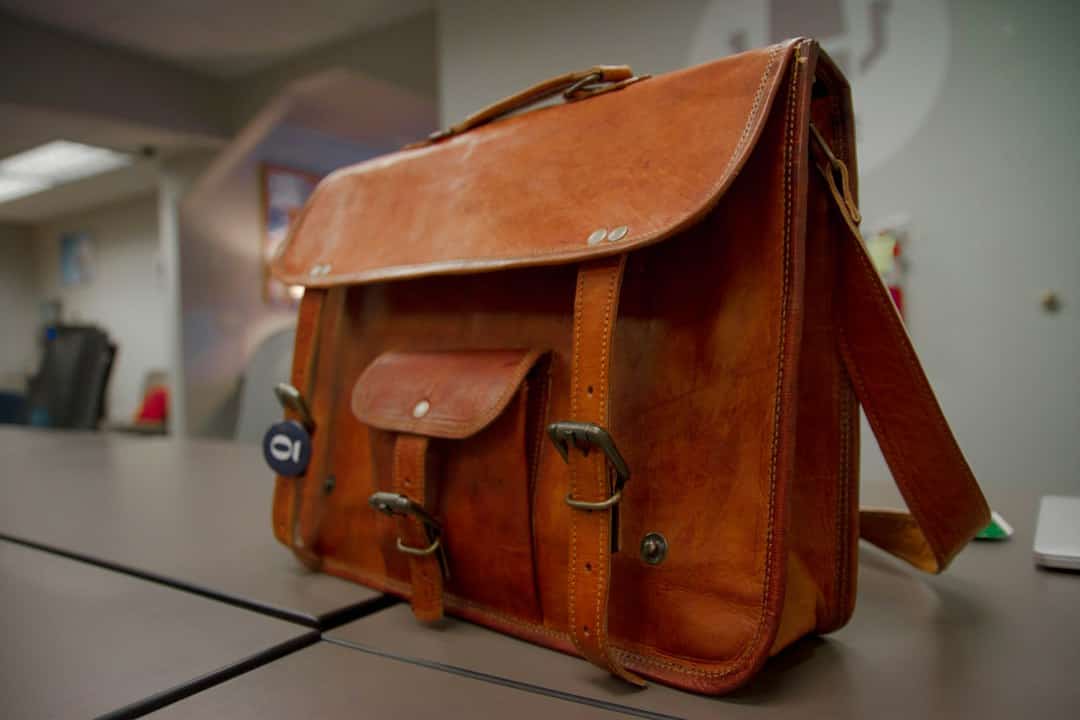
Photo by Quilia via Unsplash. The pictured leather crossbody bag illustrates shoulder-bag styling; it is not shown or recommended as a padded protective camera case.
Access matters as much as carrying capacity
Think through how often your camera needs to be available. If you shoot street photography with one camera already in hand and keep only one backup lens, a shoulder bag can be convenient. If you arrive at a location, set down equipment and shoot for an extended period, a backpack may be better suited to the journey between locations.
Some camera backpacks have several access points. For instance, the original Lowepro ProTactic 350 AW includes two side openings, a top access point and a rear door. That is more flexible than a simple rear-opening backpack, but it still takes planning to position your most-used camera near the right access point.
Protective padding and security
A protective camera bag should separate bodies, lenses and hard accessories. Adjustable padded dividers are important in both designs. An everyday handbag without a purpose-made padded insert is not an equivalent substitute if delicate equipment can bump against keys, metal accessories or the bag’s base.
Security is another consideration. A shoulder bag can remain close to the front of your body, where it is easier to keep an eye on. A backpack can be less visible while you wear it, although designs with body-side entry or more secure compartment positioning can help. Neither style eliminates the need to pay attention to valuable equipment.
What to check before buying
- Camera and lens dimensions: measure the largest combination you carry, including the lens hood and any battery grip.
- Number of lenses: do not rely on a marketing count; one large telephoto lens can take more room than several compact primes.
- Access opening: confirm that a mounted lens can be removed without catching on zippers or adjacent items.
- Loaded comfort: compare the weight when packed, not only the empty bag.
- Personal-item space: leave a separate pocket for water and other items that should not sit beside camera gear.
- Weather protection: a rain cover is useful but does not turn the bag waterproof.
- Laptop or tablet sleeve: measure the device rather than assuming a diagonal screen size guarantees fit.
Which bag should you choose for different photography styles?
Street and travel photography
A small shoulder bag or sling is worth considering when access and a discreet profile are priorities. If you need an editing laptop and personal belongings during travel, a compact backpack may be more practical. Check airline baggage allowances against the packed outer dimensions; see our air-travel camera bag guide.
Wildlife and landscape photography
A backpack generally makes more sense when larger lenses, spare clothing or a tripod must travel between locations. Carrying comfort and access to a long lens should outweigh cosmetic styling. Be realistic about how much walking is involved and how a heavier load feels.
Events and portrait sessions
The right choice depends on the kit. A photographer working with one camera and a spare lens may prefer a shoulder bag, while a professional kit containing two bodies, several lenses, flashes and a laptop often justifies a backpack. Some people use one bag to transport gear and a smaller pouch to keep frequently used items available at the shooting location.
Common mistakes
Choosing a bag too small is frustrating, but choosing one far too large can lead to overpacking. The goal is a stable fit for your actual gear, with enough padding and space for essentials. Do not assume that more pockets, more straps or more litres automatically produce a better carrying experience.
Another common mistake is confusing water resistance with waterproof construction. Bag fabric, seams, zippers and rain covers provide different degrees of protection. See waterproof versus water-resistant backpacks for the practical differences.
Frequently asked questions
Is a shoulder bag bad for heavy camera equipment?
Not necessarily, but concentrating a heavy load on one shoulder can become uncomfortable over time. Try the loaded bag and adjust the strap. For a large kit or long carry, a two-shoulder backpack may be more manageable.
Can a regular backpack protect a camera?
It can be used with an appropriately sized, padded camera insert, but a plain compartment does not provide the same separation and support by itself. Check that the insert remains secure and that the bag is strong enough for the equipment.
Which style makes changing lenses easier?
A purpose-designed shoulder or messenger bag often makes a spare lens more accessible, especially when standing. Some backpacks with side-access doors can be convenient too, depending on how their dividers are arranged.
Verdict
Choose a shoulder camera bag for a smaller kit and frequent access. Choose a backpack when you need capacity, organization and a better-supported load for longer periods. Measure your equipment and think about your actual shooting routine before shopping. If you want to adapt a bag you already own, read our camera cubes and backpack inserts guide before buying a dedicated camera backpack.
For a closer comparison of the one-strap format, see camera sling bag versus backpack, including quick-access designs and longer-walk comfort. Explore our camera messenger bag guide, camera backpack comparisons and camera backpack packing advice for more specific suggestions. Our backpacks for photographers guide provides a broader checklist for choosing a carrying system. Editorial note: these are practical design comparisons, not an assertion of newly conducted product tests.